
Financing the Next Generation of American Infrastructure

Quantifying Risk is Key
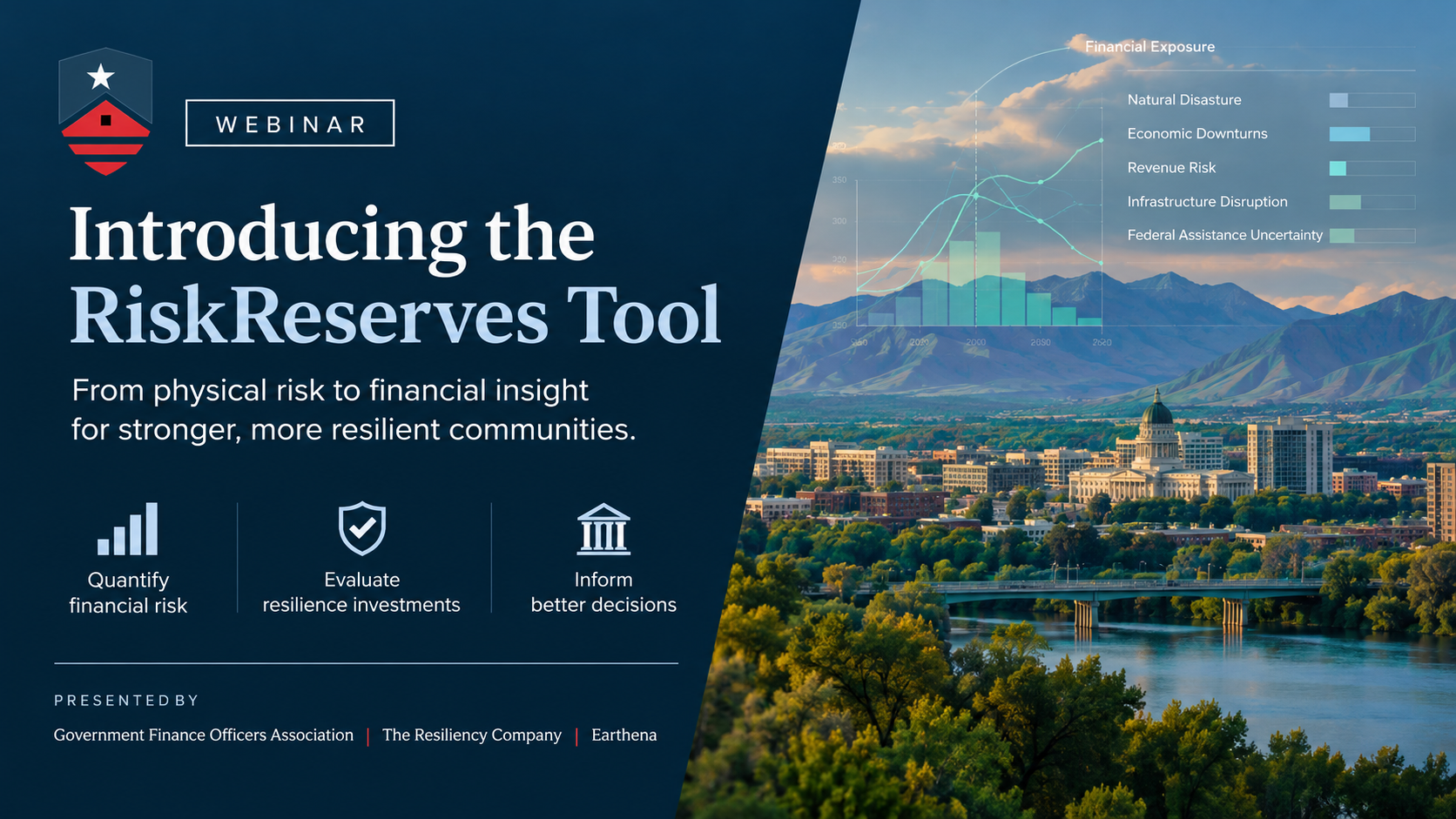
The RiskReserves Tool helps communities quantify future financial losses from weather, natural hazards, and economic shocks through the lens of the municipal budget. By establishing a baseline of risk, governments and market participants can make more informed decisions about reserves, investments, and resilience priorities.
You can review our theory of change on the website, you can download The Basics Deck, or you can reach out to us directly by requesting a demo.
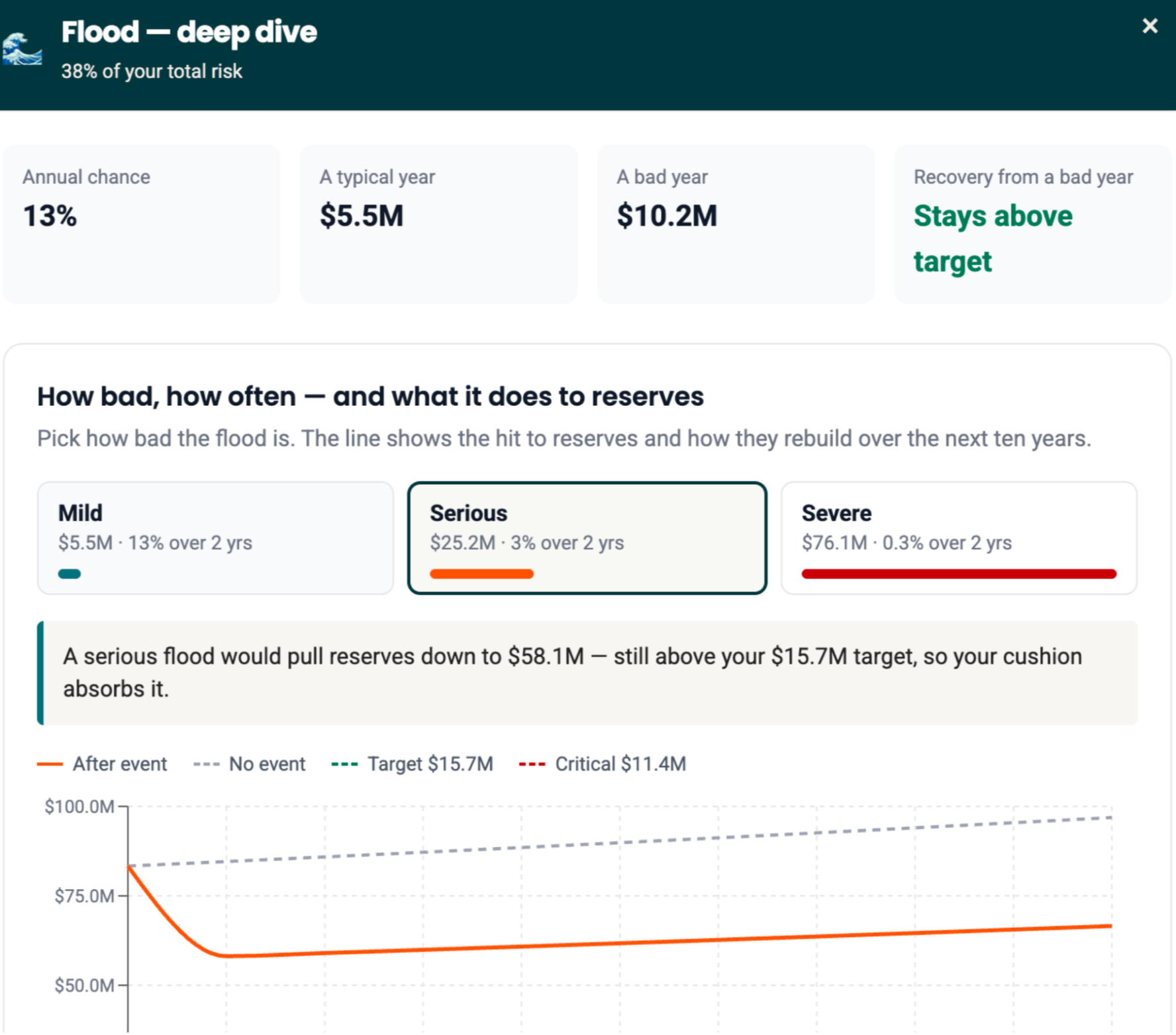
Physical Risk has Material Fiscal Implications
Communities across America face growing risks from extreme weather, aging infrastructure, and economic disruption.
While plans, studies, and recommendations are abundant, implementation remains elusive. The challenge is no longer identifying solutions. It is creating practical pathways to finance and deliver resilience at the scale communities need.

Curated articles, reports, and expert commentary on resilience, municipal finance and investment.
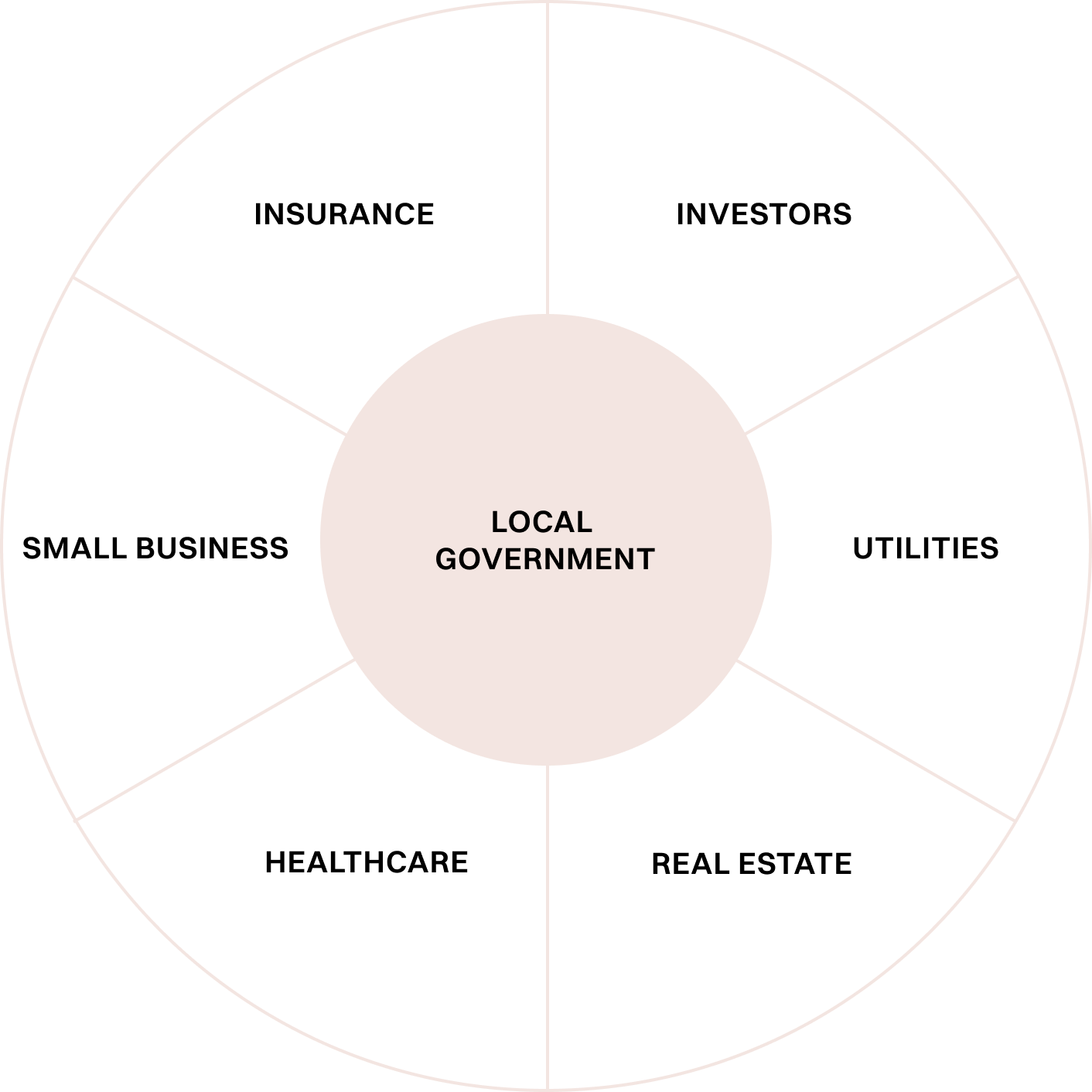
Resilient America enables governments, investors and the community to measure, value, finance and scale solutions through practical analytics, collaboration and replicable models.
Communities understand the risks they face. What remains unclear is how to pay for solutions at the scale required. Resilient America helps governments, investors, insurers, businesses, and residents align around practical financing strategies that turn resilience from a planning exercise into measurable action.

Meet the Team
-

Matt Posner
Head of Public Finance, The Resiliency Company
Matt Posner leads Public Finance at The Resiliency Company and directs Resilient America. With nearly two decades in public finance, he helps governments, investors, and communities develop innovative financing strategies that reduce risk, strengthen resilience, and support long-term economic stability
-
Jenna Bryan-Krug
RiskReserve Tool Lead
Jenna Bryan-Krug, CFA, is a public finance consultant and former BlackRock Director with 20+ years of experience in credit research, municipal finance, and sustainability, helping governments and investors assess risk, strengthen resilience, and drive long-term impact.
-

Karan Chopra
Senior Advisor
Karan is a serial entrepreneur and Co-Founder of Earthena AI, building Resilience Intelligence for better decision-making under uncertainty. He previously co-founded a leading climate risk platform, advised Google X and other ventures, and is the co-author of The Climate Intelligent Organization.
-

Shayne Kavanagh
Senior Manager of Research, Government Finance Officers Association
Shayne leads research and development for the GFOA, sits on the University of Chicago School of Public Finance, ex-city management and leader in development long-term financial planning techniques for local governments.